
DA or CDC? Choosing the Right Approval Path in Newcastle
The difference between a Development Application and a Complying Development Certificate in NSW, which one your job needs, and how long each takes.
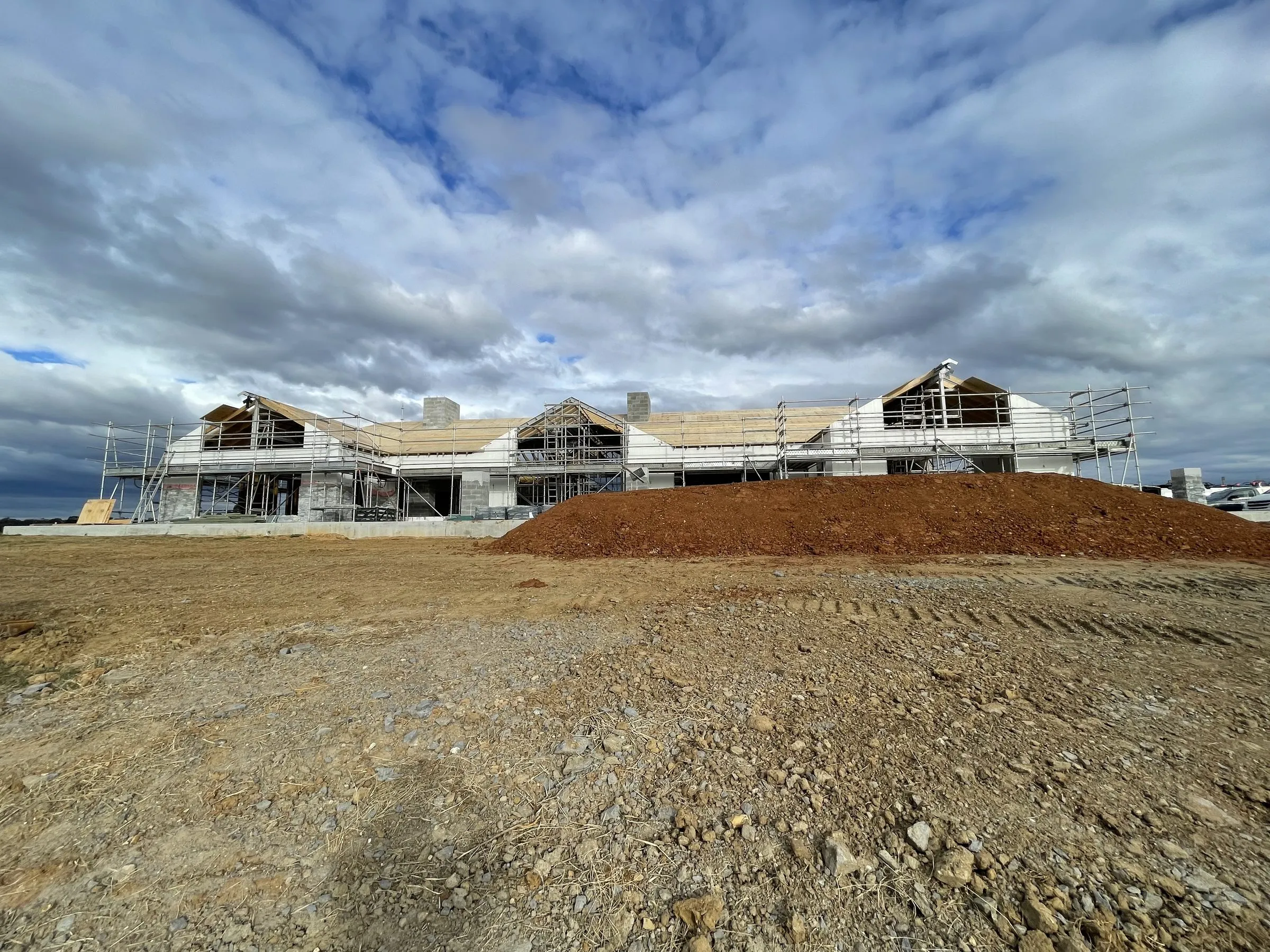
Two roads lead to a legal building. Picking the right one at the start saves months, and picking the wrong one wastes them.
Complying Development Certificate
A CDC is a fast-track approval issued by a private certifier or council. It applies when your project fits entirely within a predetermined set of rules under the State Environmental Planning Policy.
Timeframe: commonly 2 to 4 weeks. Cost: typically $2,500 to $6,000 including certifier fees. Catch: you must comply with every criterion. Miss one by a small margin and you are not eligible.
Typical CDC criteria for a house extension include setbacks from boundaries, maximum height, site coverage, landscaped area, floor space ratio and privacy provisions for windows overlooking neighbours.
Development Application
A DA is assessed by council on its merits. It is used when your project does not fit the complying development rules, or when the land has constraints that exclude it.
Timeframe: commonly 8 to 20 weeks, sometimes longer if referrals are needed. Cost: typically $3,000 to $12,000 including council fees and any specialist reports. Advantage: flexibility. Council can approve something that does not fit the standard boxes.
A DA is publicly notified, so neighbours can comment. That is often what extends the timeline.
What pushes you into a DA
- Heritage listing or a heritage conservation area, which covers parts of Newcastle including Cooks Hill and The Hill
- Land zoned in a way that excludes complying development
- Flood-prone land, which affects large parts of Maitland and low-lying Hunter areas
- Bushfire-prone land above certain attack levels
- Acid sulfate soils, common in some lake-edge areas
- Exceeding height, setback or site coverage limits
- Removing a tree protected under the local tree management order
Exempt development
Some work needs no approval at all. Small decks under 600mm, minor pergolas, garden sheds under a certain size, internal alterations that are not structural, and like-for-like repairs generally fall here, provided they meet the size and location rules.
Do not assume. The limits are specific, and an unapproved structure surfaces during a building inspection when you sell.
Which councils you are dealing with
Around our patch it is usually City of Newcastle, Lake Macquarie City Council, Maitland City Council, Cessnock City Council or Port Stephens Council. Each has its own local environmental plan and development control plan sitting on top of the state rules, and they differ in the detail.
The practical sequence
- Get a concept design
- Have a certifier or town planner check CDC eligibility against that design
- If eligible, refine to stay eligible and lodge a CDC
- If not, decide whether to redesign to fit, or accept the DA timeline
Point 3 matters. It is often possible to adjust a design slightly, pulling a wall in 300mm or dropping a roof pitch, and convert a four-month DA into a three-week CDC.
Where we fit
We are not certifiers or planners, but we have been through this hundreds of times and we know what typically trips people up locally. We will tell you at the quoting stage which path we think your job falls under and put you in touch with people we trust to confirm it.
More building advice
Bushfire Attack Level (BAL) Explained for Hunter Homeowners
What a BAL rating means for your build, how it is assessed, and what each level requires in construction materials and detailing.
Building in a Flood Zone: What Maitland and Hunter Owners Need to Know
How flood planning levels affect what you can build in Maitland and the lower Hunter, and what it means for extensions, floor heights and materials.
Do I Need Approval for a Deck in NSW?
When a deck is exempt development, when it needs a CDC, and the specific height, size and setback limits that decide it in New South Wales.