
Newcastle
Builders in Newcastle
Extensions, renovations and structural carpentry across Newcastle, from the beach suburbs through to the western end.
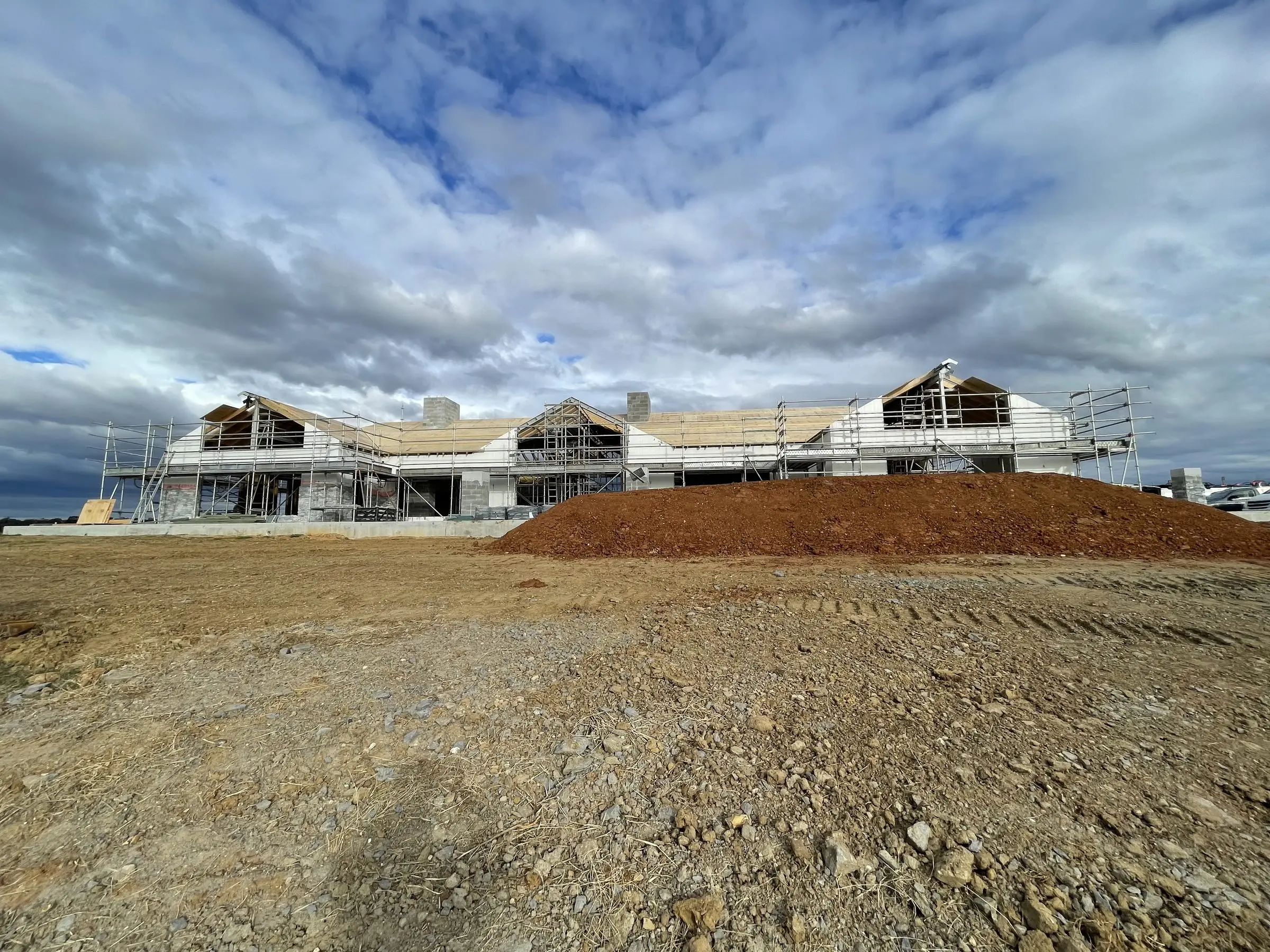
Newcastle is not one housing market, and the suburb sets the terms. The inner ring of Cooks Hill, The Hill, Newcastle East, Wickham and Carrington is Victorian and Federation stock, terraces, semis and workers cottages on narrow lots, and a good part of it sits inside or beside heritage conservation areas mapped in the Newcastle Local Environmental Plan. Mayfield, Waratah, Lambton and New Lambton are largely interwar and post-war brick and weatherboard, and the western suburbs out through Jesmond and Elermore Vale are 1960s to 80s brick veneer, with Fletcher and Maryland newer again. Each calls for a different approach to structure, approvals and sequencing, and a quote that prices them the same way is guessing.
The two things we settle first on any Newcastle job are the approval pathway and what the ground is doing. A lot outside a conservation area with a standard rear extension can often go through a private certifier as complying development. Inside one, complying development narrows to a short list of works at the rear, and most external changes become a Development Application with City of Newcastle, where the design has to answer to the Development Control Plan on street presentation, roof form and materials. A lot that carries a listed heritage item generally goes the same way. Underneath that, much of the local government area sits within a Mine Subsidence District, so certain works need Subsidence Advisory NSW approval alongside council or certifier consent, and the position of the lot over the old workings can dictate articulated footings or a stiffened slab. On the fringes near Blackbutt Reserve, Glenrock and the bushland past Minmi, bushfire prone land mapping may apply, which adds a bushfire attack level assessment. We pull all of this from the planning certificate and the council maps before we price, not after.
Most of what we do here is alterations and additions on homes people are living in, and in the inner suburbs that means working tight. Terrace and cottage blocks often have no rear vehicle access, so materials go through the house or over the roof, spoil comes out by hand, and a crane lift for steel or trusses is a line item rather than a surprise. Party walls, shared roof valleys and a neighbour a metre away all need managing. The structural side, taking out load-bearing walls, setting steel and timber beams, and marrying a new roofline into a slate or corrugated original, is where these jobs succeed or fail, and it is the part we are known for.
Then there is the coast. Merewether, Bar Beach, Newcastle East and Stockton sit in a severe corrosion environment, and that changes the specification of every fixing, bracket and sheet on the job. We build to it from the start, because on a coastal deck the timber routinely outlasts the hardware holding it up.
What we build in Newcastle
We offer every one of our building services in Newcastle.
Local conditions that affect your build
- Heritage conservation areas
- Cooks Hill, The Hill, Newcastle East, Hamilton South and parts of Mayfield are mapped as conservation areas in the Newcastle LEP, and the LEP maps others. That takes complying development off the table for most external work, so it is a DA with controls on anything visible from the street: roof pitch, cladding, window proportions and front fences. Rear additions are generally achievable if they sit behind the main roof and read as secondary.
- Mine Subsidence District
- Coal was worked under Newcastle for generations, and a large part of the local government area sits inside a Mine Subsidence District. Whether your job needs Subsidence Advisory NSW approval depends on the class of works and where the lot sits over the workings, but extensions, slabs, pools and larger sheds commonly do. Approval can come with footing conditions and runs in parallel with the planning approval, so it has to be lodged early or it holds everything up.
- Coastal corrosion
- Merewether, Bar Beach, Newcastle East and Stockton are the most corrosive ground we build on. That means grade 316 stainless fixings and brackets, marine-grade coatings on metal roofing and cladding, window frames rated for coastal exposure, and checking that the warranty on anything metal holds this close to the surf.
- Narrow inner-city lots
- Terraces and cottages in Cooks Hill, Wickham, Carrington and Islington often have no side or rear access for a vehicle. Materials come through the house or over it, excavation is by hand or the smallest machine that fits, and beams may need a crane in the street with a council permit. Those hours are real and a quote that leaves them out has not looked at the site.
- Flood-prone and low-lying land
- The low ground along Throsby Creek and the harbour, taking in parts of Wickham, Carrington, Islington, Tighes Hill and Maryville, is where flood prone land mapping is most likely to apply. Inside it, a new habitable floor has to meet the flood planning level and anything below it has to be built from materials that can take a wetting and dry out. Some of the same ground may be mapped for acid sulfate soils, which adds a management plan if footings or drainage go below the trigger depth. Both show on the planning certificate.
Get a quote in Newcastle
We are based at Edgeworth and work across Newcastle every week. Free site visit, itemised written quote, no obligation.
Get Started
Planning a build in Newcastle?
Tell us what you have in mind and we will come out, walk the site with you and give you an honest, itemised quote. No obligation, no pressure.