
Building Near the Water: Salt Air and Material Choice
How coastal exposure affects material selection around Newcastle, Belmont and Port Stephens, and the corrosion categories that decide what you can use.
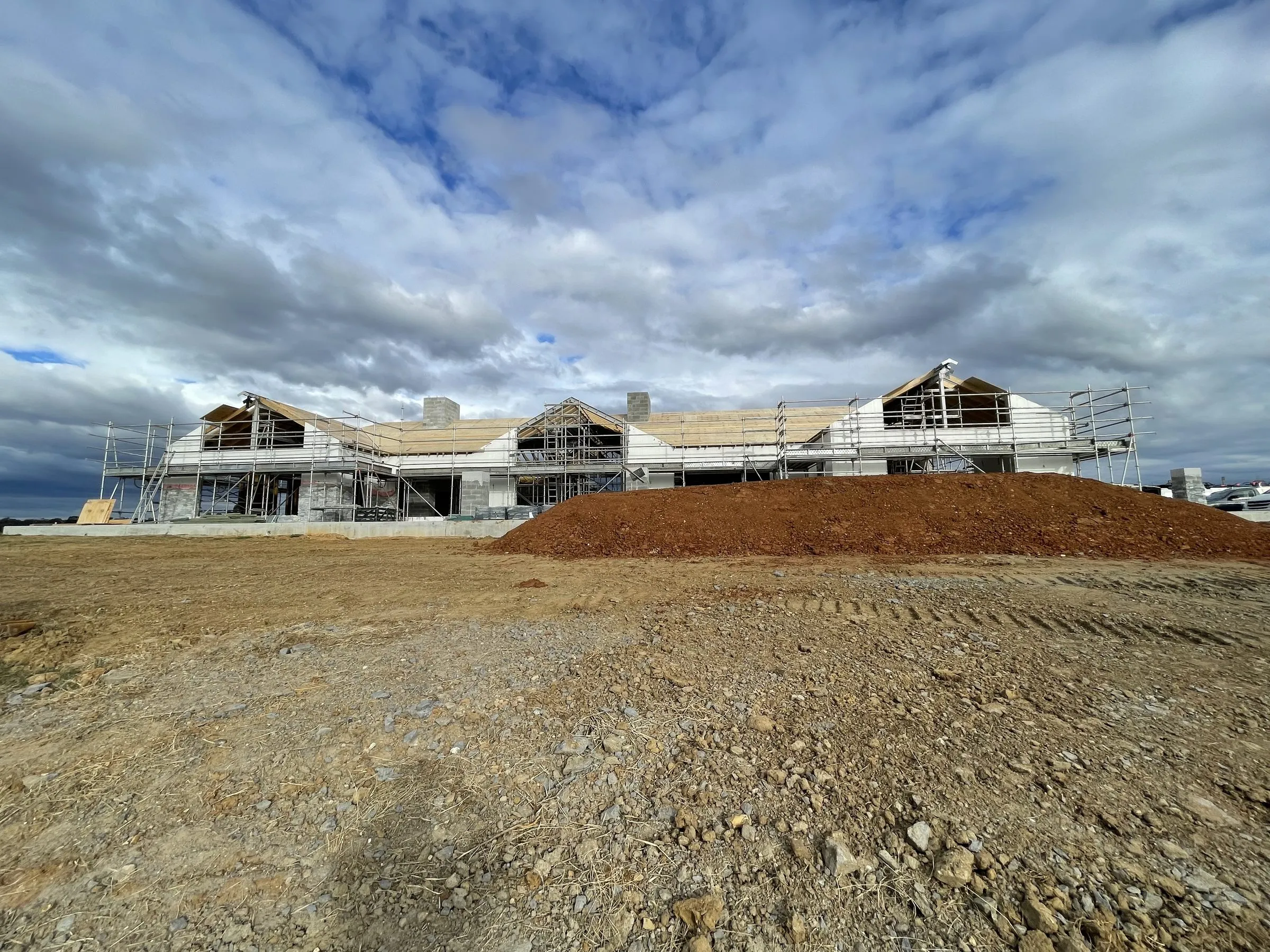
A house at Merewether and a house at Cessnock are built to the same code and should not be built from the same materials. Salt air is the difference.
Corrosion categories
AS 4312 classifies atmospheric corrosivity. In practical terms around here:
- C1 to C2, low. Well inland. Maitland, Cessnock, most of the Hunter Valley.
- C3, medium. Suburban areas within a few kilometres of the coast or the lake. Much of Newcastle and Lake Macquarie.
- C4, high. Within roughly a kilometre of surf, or close to the lake with prevailing onshore wind. Merewether, Belmont, Nelson Bay.
- C5, very high. Within a few hundred metres of breaking surf. Beachfront.
Your category determines fixings, coatings and product warranties. Most manufacturers void warranties if their product is used outside its rated category.
Fixings
This is where coastal builds most commonly fail, and it is the cheapest thing to get right.
- C1 to C2: hot dip galvanised is fine.
- C3: grade 304 stainless steel for external fixings.
- C4 to C5: grade 316 stainless steel. Nothing less.
Galvanised fixings in a C4 environment will corrode within a few years. The rust then attacks the timber or cladding around them, so a $200 saving on screws destroys a $30,000 deck.
Do not mix metals either. Stainless fixings in contact with galvanised or aluminium components cause galvanic corrosion. Isolate them where they must meet.
Metal roofing and cladding
Standard Colorbond is not rated for severe marine environments. There are specific marine-grade products with heavier coatings for that purpose, and using the wrong one within sight of the surf will produce visible corrosion within a few years.
Zincalume in particular should not be used unwashed in coastal areas. Any roof or wall surface not regularly rinsed by rain, such as under wide eaves or a verandah, corrodes faster because salt accumulates rather than washing off.
Windows and doors
Aluminium frames need marine-grade anodising or powder coating near the coast. Standard finishes chalk and pit.
Hardware is the weak point. Handles, hinges, rollers and locks fail long before the frame does. Specify stainless or marine-rated hardware and expect to service it.
Timber
Salt air itself does not rot timber, but coastal exposure comes with UV and wind-driven moisture. Coatings break down faster, and once the coating fails the timber weathers quickly.
Expect to oil or repaint at roughly half the interval you would inland.
Concrete and masonry
Chloride from salt air causes reinforcement to corrode, which expands and spalls the concrete. Coastal work needs greater cover to reinforcement, and the relevant standards require it.
This matters for slab edges, exposed beams and any reinforced element.
Maintenance that genuinely helps
Rinse with fresh water. Regularly hose down windows, hardware, fixings, railings and any metal surface that does not get rain. This one habit extends component life substantially.
Pay attention to sheltered areas. Under eaves and verandahs, where rain never reaches, salt builds up. These areas corrode faster than fully exposed ones, which surprises people.
Inspect annually. Look for rust bleeding, pitting on aluminium, and chalking of coatings.
The practical summary
Work out your corrosion category honestly, specify materials and fixings for it, and do not let anyone talk you into a cheaper fixing to save a few hundred dollars.
We build across Newcastle, Belmont, Nelson Bay and the coastal villages, and we specify to the exposure rather than to a default.
More building advice
External Cladding Types Compared for Newcastle Homes
Fibre cement, weatherboard, timber, composite and brick veneer compared on cost, maintenance and suitability for Newcastle and coastal Hunter conditions.
Recladding a House: What to Expect and What It Costs
The process of recladding a Newcastle home, what typically turns up behind old cladding, and realistic costs and timeframes.
Why a Drainage Cavity Behind Cladding Matters So Much
How rainscreen cladding works, why water always gets behind the skin, and what happens to a wall frame when there is nowhere for it to go.